
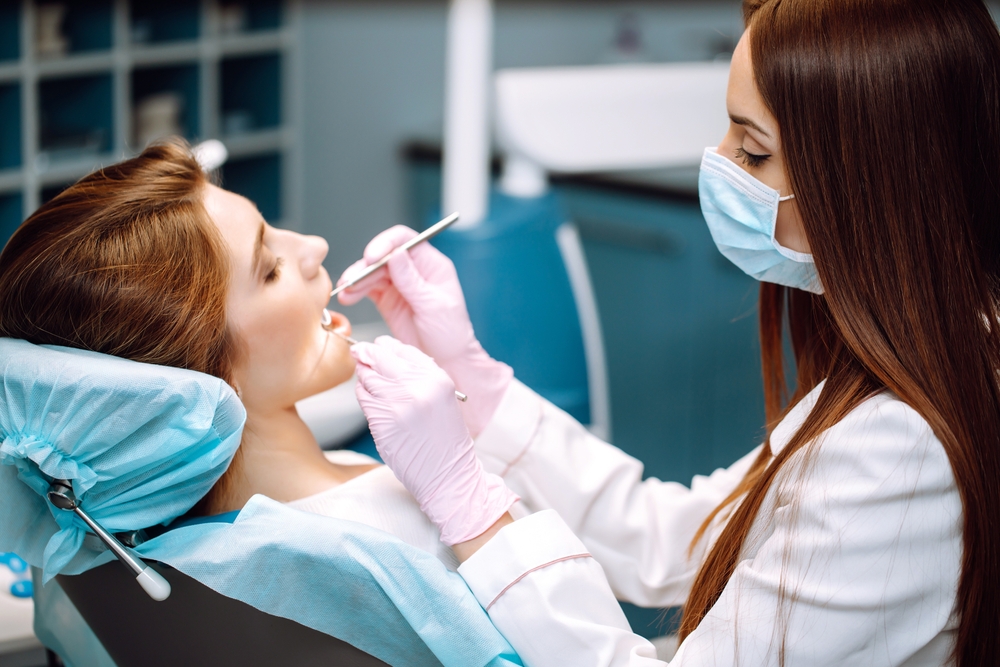
Treatment of Gum Disease
Healthy gums are the foundation of a healthy smile, and our treatment of gum disease is built to protect that foundation. Dr. Erin Sweeney, DDS, approaches gum disease not as an isolated dental problem, but as a condition that affects your overall health and quality of life. This perspective shapes everything we do here. Bleeding, tender, or receding gums are a sign that something needs attention, and we’re here to help. With the right diagnosis and a personalized treatment plan, it’s possible to stop gum disease in its tracks and restore your mouth to genuine health.
Understanding Gum Disease
Gum disease, also called periodontal disease, is a bacterial infection that affects the tissues and bone supporting your teeth. It starts with plaque, a sticky film of bacteria that builds up along and below the gum line. If not removed through consistent brushing, flossing, and professional cleanings, plaque hardens into tartar, which irritates the gums and triggers inflammation. This early stage, known as gingivitis, causes redness, swelling, and bleeding during brushing or flossing.
Left untreated, gingivitis can progress to periodontitis, a more advanced infection that destroys the bone and connective tissue holding your teeth in place, leading to gum recession, loose teeth, and eventual tooth loss. Beyond the mouth, chronic gum inflammation has also been linked to serious systemic conditions including heart disease, diabetes complications, respiratory illness, and adverse pregnancy outcomes.
Dental Cleaning and Treating Gum Disease Are Not the Same Thing
This distinction matters, and it’s one many patients don’t fully understand. A routine preventive cleaning removes surface plaque and tartar above the gum line and is designed for patients with healthy gums. Treating gum disease is a different process entirely. Infection present below the gum line simply cannot be reached by a standard cleaning. Active gum disease requires periodontal therapy, including scaling and root planing, to remove bacteria, tartar, and infected tissue from deep within the gum pockets.
At our practice, we take this further with a comprehensive, whole-mouth approach that can include salivary testing to identify the specific bacteria driving your disease and whole-mouth disinfection protocols designed to eliminate microbial reservoirs throughout the entire oral environment at once. Rather than treating a symptom, we work to restore your mouth to a state of genuine health.
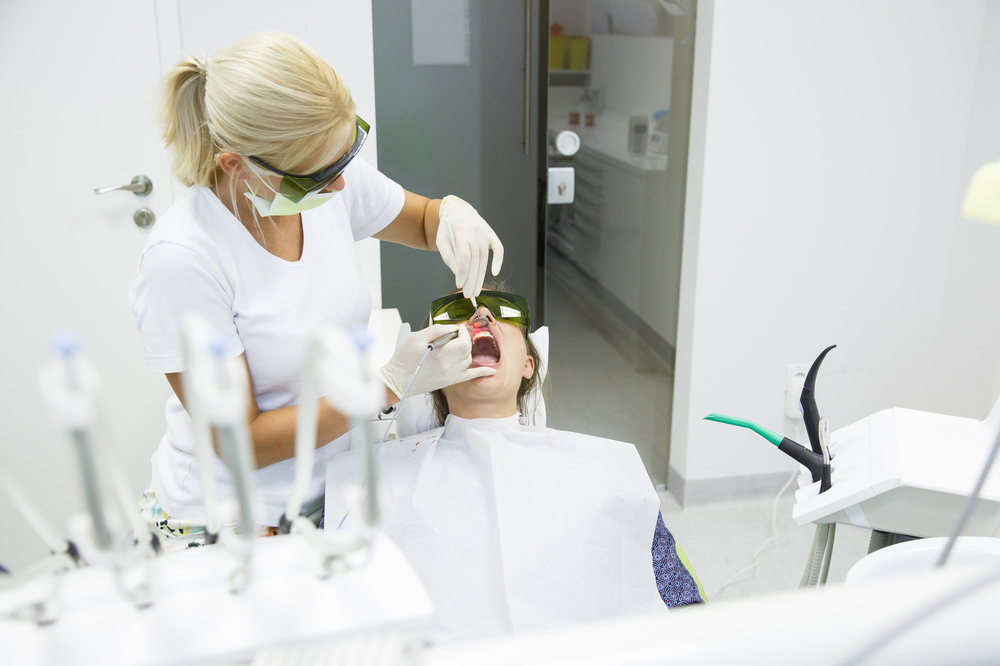
Benefits of Gum Disease Treatment

How Our Process Works for the Treatment of Gum Disease
Understanding Your Gum Health First
Dr. Erin Sweeney, DDS begins every periodontal evaluation with a thorough oral examination, including careful measurement of your gum pocket depths to detect inflammation, recession, or bone loss. Digital X-rays are taken to assess the underlying bone structure and confirm the extent of any disease. This detailed assessment gives us a complete clinical picture before any treatment begins.
A Protocol Built Around Your Needs
No two cases of gum disease are identical, and your treatment plan shouldn’t be either. Based on your clinical findings and salivary test results, Dr. Sweeney designs a personalized protocol that targets the specific bacteria, pocket depths, and disease stage present in your mouth. You’ll receive a clear explanation of what’s needed, why, and what to expect at each stage of care.
Precise Deep Cleaning and Disinfection
Treatment typically involves scaling and root planing, a deep cleaning procedure that removes plaque, tartar, and infected tissue from below the gum line and smooths the tooth roots to help gum tissue reattach. Our team also incorporates whole-mouth disinfection where appropriate to thoroughly eliminate microbial buildup throughout the oral environment. Localized antibiotic therapy may be introduced in areas of stubborn infection to support healing.
Home Care That Supports Your Results
Healing after periodontal treatment depends significantly on what you do at home. Dr. Sweeney’s team will walk you through specific brushing and flossing techniques, antimicrobial rinse recommendations, and any dietary or lifestyle adjustments that support gum recovery. Avoiding tobacco is one of the most impactful steps you can take, as smoking significantly impairs healing and raises the risk of disease progression.
Maintenance That Keeps Your Results Intact
Periodontal maintenance appointments are scheduled at intervals tailored to your healing progress, usually every three to four months following active treatment. These visits allow us to review pocket depths, clear any new buildup, and catch early signs of recurrence before they develop. Steady follow-up is what separates short-term improvement from durable gum health.
Why Choose Us for Treatment of Gum Disease
Dr. Erin Sweeney, DDS brings a level of detail and intentionality to periodontal care that goes well beyond a standard cleaning appointment. Her approach treats gum disease as what it is, a complex infection with real consequences for your teeth, your comfort, and your overall health. By pairing advanced diagnostics like salivary testing with comprehensive disinfection protocols, she works to eliminate the source of disease rather than manage its surface-level effects.
Patients consistently describe her care as thorough, attentive, and genuinely personalized. Our practice is built around the belief that you deserve to understand your own oral health. Every recommendation comes with a clear explanation of the clinical reasoning behind it. You’ll receive care that is compassionate and designed with your long-term wellbeing in mind, regardless of where you are in your gum health.
Real Results Start With Our Effective Treatment of Gum Disease
Our treatment of gum disease is most effective when started early, making a real difference in what’s possible for your smile and your health. Dr. Erin Sweeney, DDS is ready to take a closer look, answer your questions, and put together a plan that actually fits your needs. Call 716.631.9554 to schedule your evaluation and find out exactly what your gums need to heal, stabilize, and stay healthy.
Look up Erin Sweeney DDS PLLC on Google Maps for directions and discover more about us from what patients are saying. Our Instagram gives you a real look at the care and personality behind our practice, patient stories, smile results, and the moments that make us who we are.

FAQs
How to cure gum disease without a dentist?
Diligent home care, including brushing, flossing, and using antimicrobial rinses, can slow the progression of early gum disease, but it cannot replace professional treatment. Partnering with our dentist gives you the tools, diagnostics, and clinical care needed to effectively treat gum disease. Mild cases may respond to professional scaling and root planing combined with improved home care, while more advanced cases may require localized antibiotic therapy or additional intervention such as salivary testing, and whole-mouth disinfection to be properly resolved.
What does gum disease look like?
Gum disease is a bacterial infection that affects the gums and the structures supporting your teeth, including the surrounding bone. It often presents as red, swollen, or tender gums that bleed during brushing or flossing. You may also notice gums pulling away from your teeth, persistent bad breath, or teeth that feel loose or have shifted in position. Because early gum disease can be subtle and even painless, regular dental exams are the most reliable way to catch it before it advances.
Can gum disease be reversed?
Gingivitis, the earliest stage of gum disease, can be fully reversed with professional treatment and consistent home care. Once gum disease has progressed to periodontitis, the bone loss that has occurred cannot be regenerated, but the disease can be effectively controlled to prevent further damage. With proper treatment and regular maintenance, most patients are able to sustain a healthy, stable oral environment over time.
What causes gum disease?
Gum disease is caused by bacteria found in plaque, a soft film that forms continuously on your teeth and along the gum line. If plaque is not removed regularly, it hardens into tartar, which creates a surface that harbors even more bacteria and causes ongoing gum irritation and infection. Contributing risk factors include tobacco use, certain medications, uncontrolled diabetes, hormonal changes, and a family history of gum disease.
Is gum disease contagious?
Gum disease itself is not contagious, but the bacteria that contribute to it can be transferred between people through saliva. Sharing utensils, drinking from the same glass, or kissing can introduce those bacteria into another person’s mouth. Not everyone exposed will develop gum disease, as individual factors like immune response, oral hygiene, and genetics all play a significant role. Good home care and routine professional cleanings remain your strongest defense, and prevention is always the best foundation for lasting oral health.