
Implant vs Root Canal
A damaged, infected, or lost tooth puts you at a crossroads: save it or replace it. Dr. Erin Sweeney, DDS takes the time to walk each patient through their options with clarity and honesty, because the right choice depends on your specific situation, not a one-size-fits-all answer. At Erin Sweeney DDS PLLC, our goal is always to protect your long-term oral health while giving you a smile you feel confident in. Understanding the difference between a root canal and a dental implant is the first step.
Understanding Implants and Root Canals
A root canal is a procedure that removes infected or damaged pulp, the soft tissue of nerves, blood vessels, and connective tissue inside a tooth, to eliminate infection and preserve the natural tooth. The canals are cleaned, shaped, and sealed, and the tooth is restored with a crown or filling. It is a tooth-saving treatment intended to restore full function without extraction.
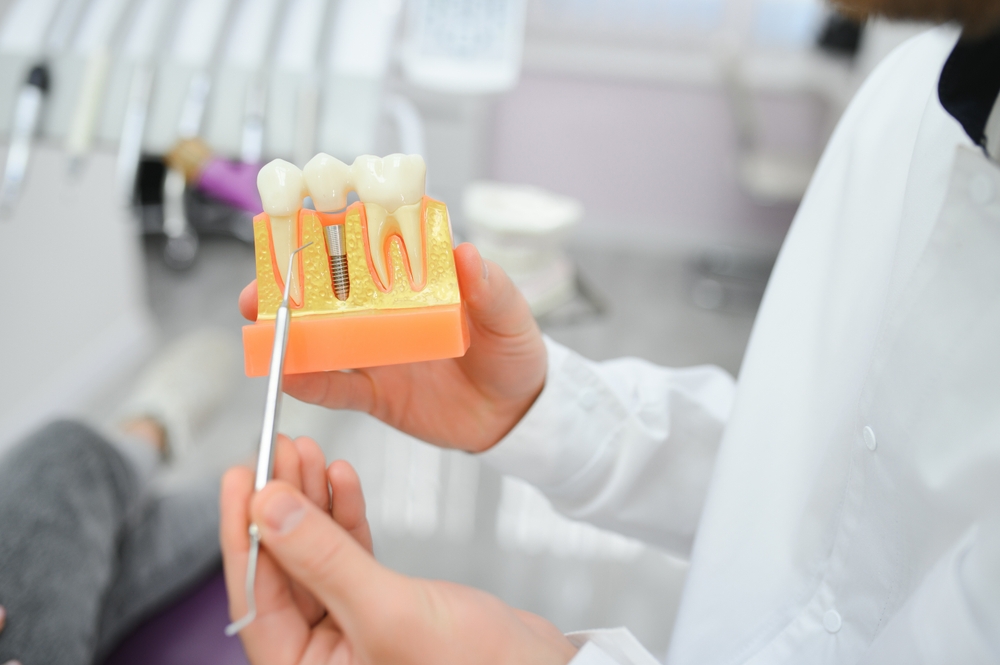
A dental implant is a tooth replacement solution used once a tooth has been lost or cannot be saved. It consists of a titanium post inserted into the jawbone, an abutment that connects the post to the restoration, and a custom crown designed to look and function like a natural tooth. Over time, the post fuses with the bone through osseointegration, creating a firm, permanent foundation for the replacement tooth.
Implant vs Root Canal
When Saving Your Natural Tooth Makes Sense
Your natural tooth is always worth preserving if it’s structurally viable. A tooth with significant decay, a crack, or pulp damage but a healthy root and adequate surrounding bone support is a strong candidate for a root canal. Keeping your natural tooth helps maintain proper bite alignment, supports jawbone density, and avoids the time associated with replacement procedures. A restored natural tooth also tends to feel more comfortable and familiar than any prosthetic alternative.
When Tooth Replacement Is the Better Path
There are situations where saving a tooth simply isn’t possible, or isn’t in your best interest. A tooth fractured below the gum line, severely decayed beyond restoration, or already lost calls for a more permanent solution, and a dental implant provides the most durable and functional replacement available. Unlike bridges, implants don’t require altering adjacent healthy teeth. They also prevent the deterioration and facial changes that commonly occur once a tooth goes missing for an extended period. In these cases, replacing the tooth promptly is what protects the rest of your smile.
Signs a Root Canal May Be Needed
Common indicators include a persistent toothache that worsens with pressure or chewing, prolonged sensitivity to hot or cold temperatures, visible darkening of the tooth, or swollen and tender gum tissue near the affected area. A recurring pimple-like bump on the gums, known as a dental abscess, is another sign that the pulp may be infected. These symptoms mean the tooth’s inner tissue is under stress, and the sooner it’s addressed, the better the chances of saving it.
Signs an Implant May Be the Right Choice
A tooth that has already been extracted, is too damaged to restore, or has failed a previous treatment is a strong candidate for an implant. Significant bone loss around a tooth, extensive structural damage, or a root that can no longer support a crown are all situations where replacement becomes the more practical and health-focused choice. Implants are also worth considering if you’re experiencing bite changes or difficulty chewing due to a missing tooth, both of which worsen the longer tooth loss goes unaddressed.
How We Walk You Through the Implant or Root Canal Process

Why Choose Our Practice for Implant or Root Canal Treatment
At Erin Sweeney DDS PLLC, every decision is driven by evidence and guided by what’s genuinely best for your oral health. Dr. Sweeney’s Kois Center training and her pursuit of accreditation with the American Academy of Cosmetic Dentistry reflects a standard of care that goes well beyond the basics.
That dedication shows in every patient interaction and every finished result. Our on-site 3D imaging tools support precise implant planning and detailed root canal assessment, delivering a measurable difference in outcomes. Our recommendations are not shaped by outside restrictions, rather based purely on clinical need. You’ll leave your consultation with a clear picture of your options and the confidence to move forward.
Implant vs Root Canal? We Can Help You Decide
A painful tooth or a gap in your smile doesn’t have to stay that way. A personalized evaluation with Dr. Erin Sweeney, DDS can pinpoint exactly what your tooth needs and map out the most effective path forward. You can see our exceptional work on Instagram.
Pick up the phone and call 716.631.9554 and our team is ready to get you scheduled and determine the treatment you need. Ready to find us? Google Maps has everything you need: directions, photos, and honest reviews from the patients who know us best. At Erin Sweeney DDS PLLC, your smile is always worth the call.
FAQs
How much are dental implants?
The cost of dental implants varies depending on the number of teeth being replaced, preparatory procedures like bone grafting that may be needed, and the overall complexity of your case. At your consultation, Dr. Erin Sweeney, DDS will walk you through a detailed breakdown of your treatment and discuss all available options. Implants are a long-term investment in your oral health, and with proper care, they can last a lifetime.
What are dental implants?
Dental implants are artificial tooth roots made from titanium that are surgically placed into the jawbone to support a replacement tooth or crown. They consist of three parts: the implant post, the abutment, and the custom crown that looks and functions like a natural tooth. Implants preserve jawbone density, keep surrounding teeth in place, and deliver a result that other replacement options struggle to match.
What is a root canal?
A root canal is a dental procedure used to remove infected or inflamed tissue from inside a tooth, clean and seal the canals, and restore the tooth with a crown or filling. It’s performed once decay, trauma, or cracks have allowed bacteria to reach the tooth’s pulp. Despite its reputation, a root canal is no more uncomfortable than a routine filling, and it saves a tooth that would otherwise need to be extracted.
How long does a root canal take?
Most root canals are completed in a single appointment lasting between 60 to 90 minutes, depending on the tooth’s location and the complexity of the root system. Molars with multiple canals may require more time than front teeth. After the procedure, a follow-up visit is needed to place the final crown and confirm that healing is progressing well.
How much does a root canal cost?
Root canal costs depend on which tooth is being treated and the extent of the infection or damage involved, as front teeth are generally less complex than molars. Protecting and rebuilding the tooth afterward often calls for a dental crown, which factors into the overall treatment. Our team at Erin Sweeney DDS PLLC is happy to walk you through your care plan and all available options at your consultation.